




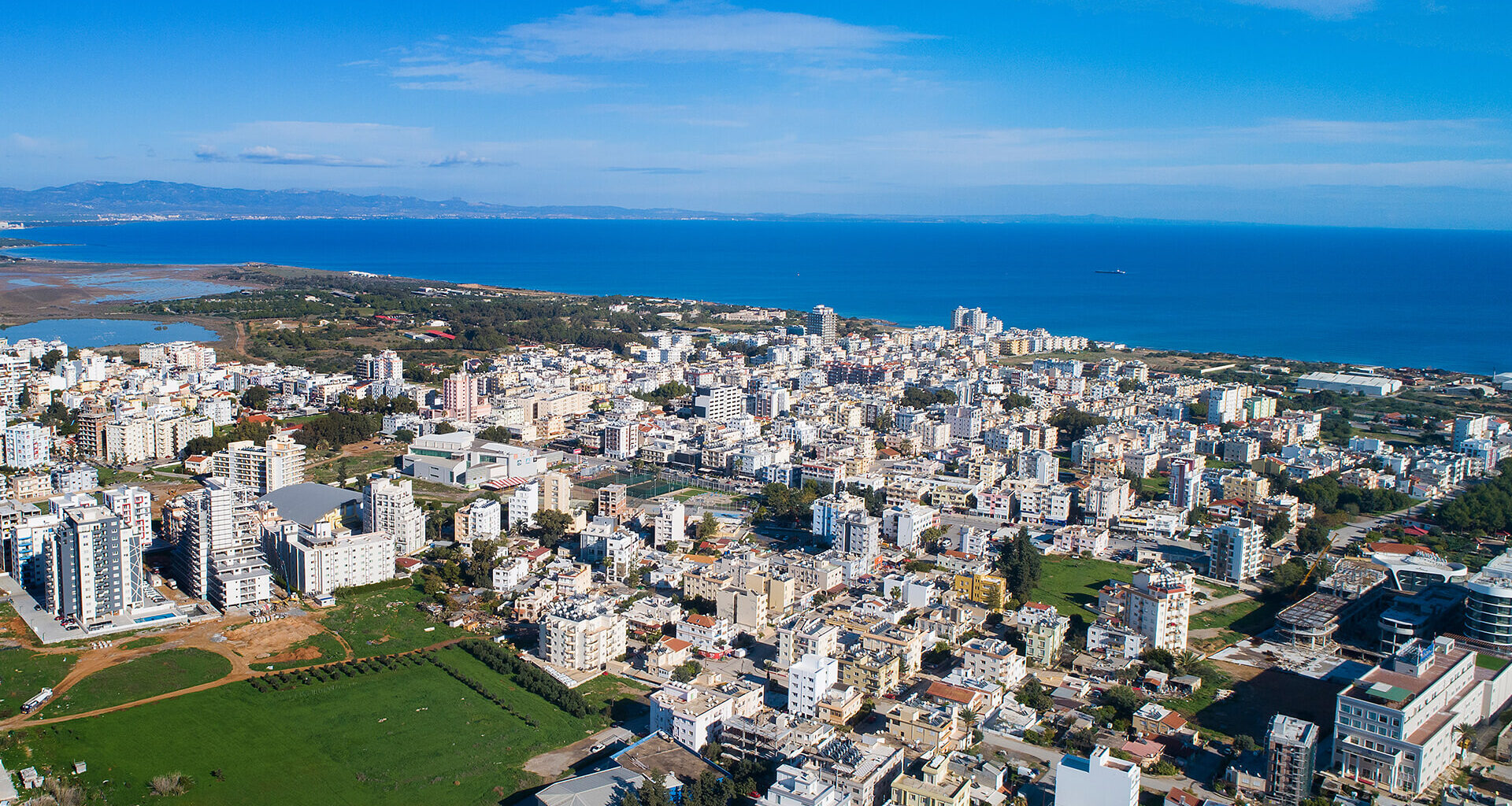
The demand for real estate is increasing day by day in Famagusta, where the student population is very dense due to the universities located within the city. In this article, we will focus on Famagusta flat prices for sale, which is a major object of interest for domestic and foreign real estate investors.
The real estate sector in Famagusta is highly developed. This development is due to the increasing number of foreign university students and those who come to Cyprus. Due to the high demand for real estate rentals throughout the year, Famagusta is among the first destinations preferred by real estate investors. Many investors who want to buy a house in Cyprus prefer to buy an apartment in Famagusta because of the short redemption period of the property.
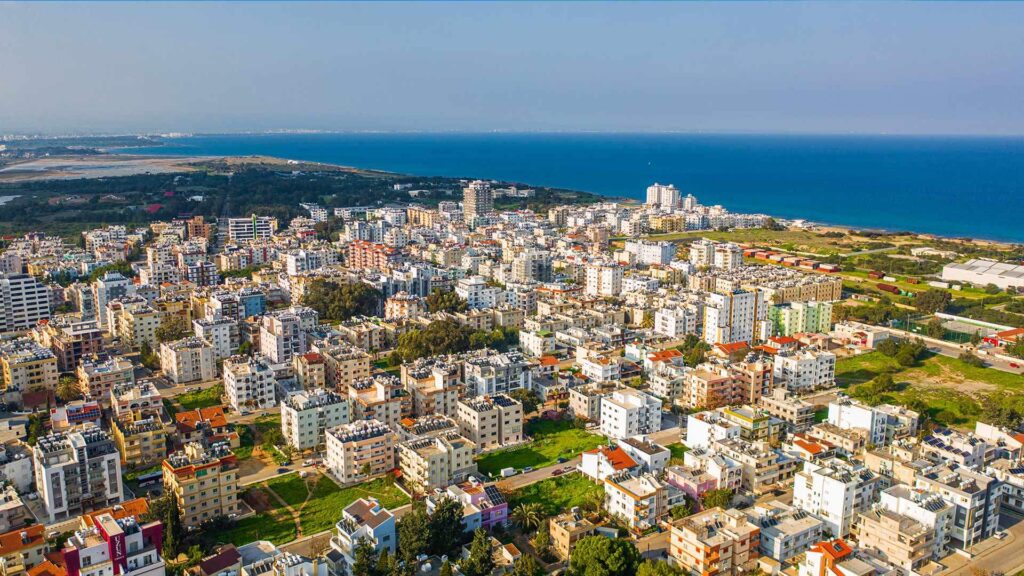
Famagusta flat prices for sale offer a relatively average price compared to other cities of the TRNC. In addition to the studio apartments in the city centre, 1+1 apartments and 2+1 apartments are very popular for purchase. Famagusta residence flats for sale, built in recent years, are also very popular.
Buying a Flat in Cyprus for the purpose of Living
Famagusta is frequently preferred by university students as well as those who want to settle in Cyprus for working purposes. Famagusta, which is a port city just like Kyrenia, is rich with many working opportunities.
While Famagusta is one of the liveliest cities of North Cyprus, life is also quite easy in Famagusta. The city is also highly affordable compared to more touristic cities such as Kyrenia with a high cost of living. However Famagusta’s dense and dynamic population, still allows to city to appeal to a wide range of people of all ages, fields and lifestyles. Famagusta has a great balance, with its quiet spots and more lively neighbourhoods with a dynamic nightlife. To learn more about property buying tips you can read our article on Recommendations for Buying a Flat in Famagusta.
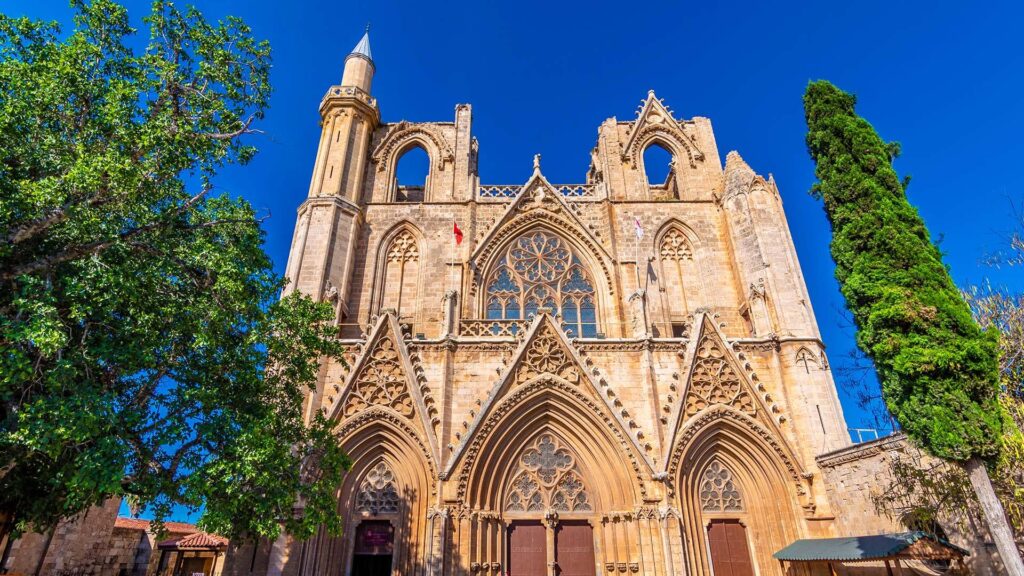
Famagusta flat prices for sale are very affordable, even for the houses in the city centre. Before moving on to house prices, let’s consider the city in terms of its investment value.
Buying a Flat in Famagusta for Property Investment
Due to the ever-expanding levels of demand for rentals throughout the year, the real estate value of Famagusta is increasing day by day. Real estate depreciation period, which varies between 20-25 years in many countries, is between 12-16 years in Cyprus. Real estate redemption period in Famagusta is also highly low with an average of 12-16 years.
At the beginning of the article, we mentioned that the rental demand has increased due to large numbers of university students that study in Famagusta, but another factor that effects demand for rentals is tourism. The changing preferences for holidays after COVID-19, brought along the trend of renting villas instead of hotel accommodation. This new found demand for private rentals for vacation has increased the Famagusta flat prices, especially those close to the sea or by the sea. But on the other hand, it has provided real estate investors with a significant income opportunity. Renting real estate for tourism purposes will continue to gain prominence for the city of Famagusta with its beautiful beaches that are sunny between 300-320 days in a year.
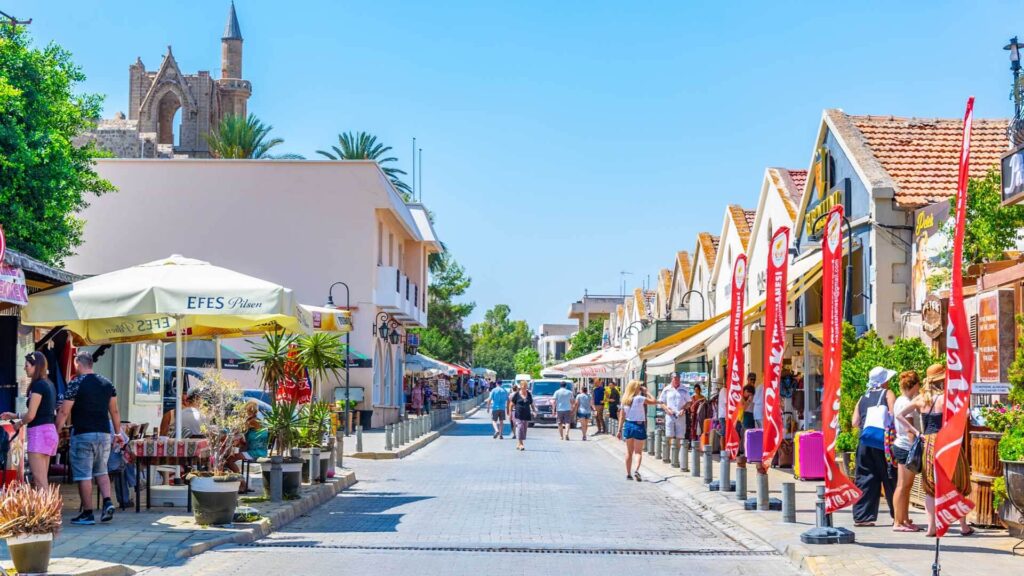
Another important factor to consider is the re-opening of Varosha. After the Cyprus Peace Operation in 1974, this region became prohibited to enter by the civilian population and remained idle for many years. However, the region of Varosha was one of the most important tourism centres of Cyprus before 1974. So much so that before 1974, it alone provided 50 percent of Cyprus’ tourism revenues. Many people’s real estate is located here, from the British Royal Family to Sophia Loren. It is envisaged that the process, which started with the opening of the Varosha coasts in 2020, will cover the entire Varosha in the future and that the region will be rebuilt and become once again a centre for tourism.
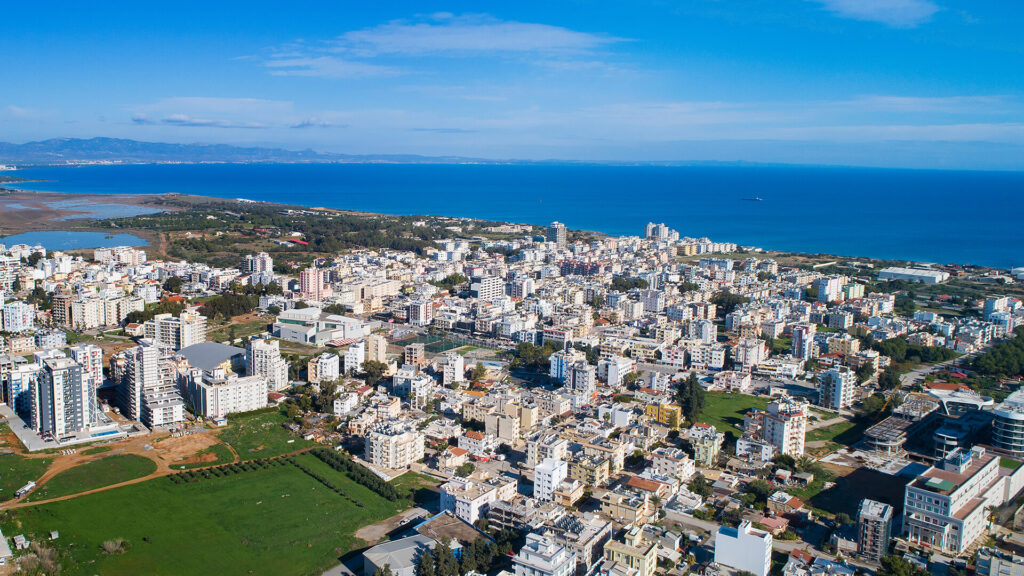
You can check this page to view more advices for buying a flat for property investment: Advices for Buying Flats for Property Investment in Northern Cyprus
Considering all these factors though Famagusta flat prices for sale are still very affordable. Now lets discuss, what exactly the house prices are in Famagusta
Famagusta House Prices for Sale
Real estate prices in Famagusta, much like the rest of the island, are determined with relation to foreign currency. Generally, British Pound is used throughout the TRNC for pricing of properties. Hence, buying, selling and renting real estate in foreign currency is an important advantage in the face of a possible inflation risks.
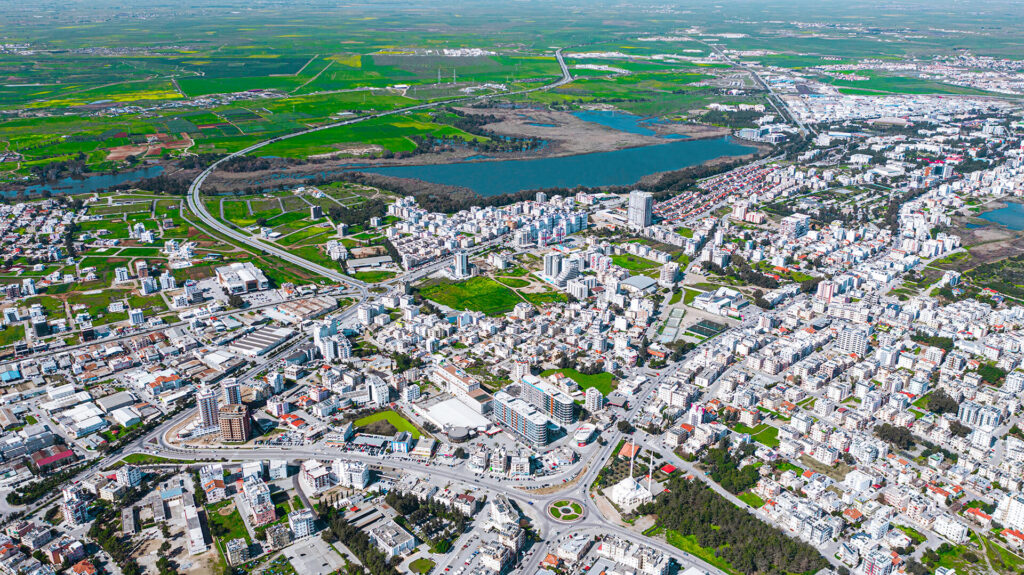
Famagusta flat prices for sale usually range from £40,000 and £75,000. Prices for newly built modern flats range from £80,000 to £120,000. These prices represent Famagusta’s average flat prices, where new real estate projects are developing day by day. You can visit the Cyprus houses for sale page to compare the prices of flats with other cities as well as villas and detached houses.
Famagusta Affordable Flats
Investors who want to buy flats in Northern Cyprus at more affordable prices generally prefer the purchasing lands as an option offered by construction companies. During the launch process of projects whose foundations have not been laid yet, Famagusta flat prices for sale are offered with large discounts of up to 30%. For detailed information on this subject, you can visit the page for buying a pre-constructed house.
If you want to invest in real estate in Cyprus, you can leave your information via the contact button at the bottom of the page and you can benefit from our free real estate consultancy service.